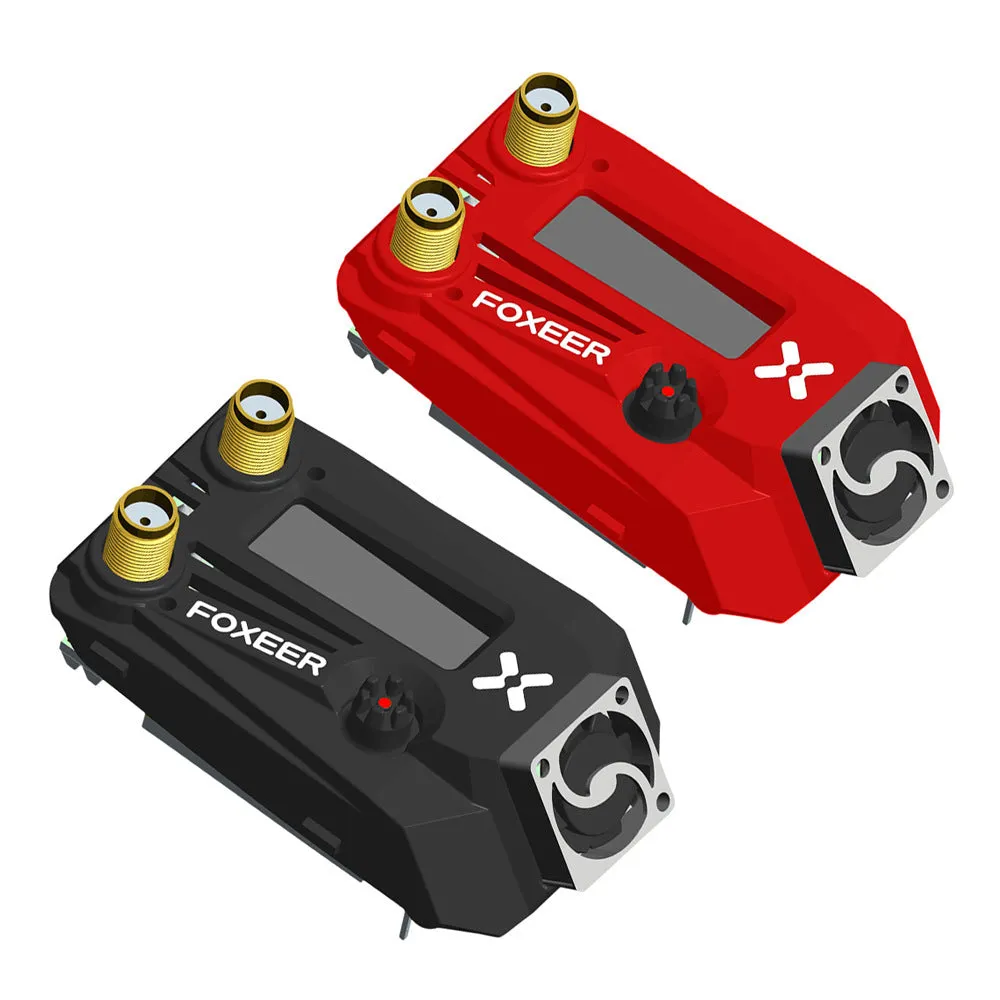
FPV dual receiver glasses for remote control models and drone flying, weighing 58g with a black frame, compatible with Fatshark and Flying Shark video systems for a streamlined first-person view experience.


FPV dual receiver glasses for remote control models and drone flying, weighing 58g with a black frame, compatible with Fatshark and Flying Shark video systems for a streamlined first-person view experience.
Wildfire FPV Dual Receiver Glasses: 58g Lightweight Video Glasses for Drone Flying
These Wildfire FPV glasses are designed for enthusiasts of remote-controlled models and drone flying, providing a direct first-person view from the aircraft's camera. Weighing just 58 grams, they offer a notably lightweight alternative for extended flying sessions. The dual receiver system is engineered for compatibility with prevalent Fatshark and Flying Shark video transmission systems, aiming to deliver a stable video feed. Supplied in a black colour and powered by an integrated battery, these glasses are presented as a self-contained unit for users typically aged between 15 and 35 years, focusing on practical aerial operation without extraneous features.
Features and Construction

The core design of these FPV glasses centres on a dual receiver configuration housed within a lightweight frame. This setup is intended to receive the live video signal transmitted from a model aircraft or drone, projecting it directly before the pilot's eyes for immersive control.
Material and Build
The glasses feature a black frame, though the specific materials used for the frame, lenses, and padding are not detailed in the available information. The construction incorporates the dual receivers and a battery power source, contributing to the total weight of 58 grams. The build prioritises functional compatibility over aesthetic elaboration, aligning with the product's focus on FPV performance.
Size and Practical Fit
The primary specified measurement is the overall weight of 58 grams, indicating a focus on reducing headset mass. Dimensions for the frame, lens size, or adjustable headband are not provided. The product information specifies an applicable age range of 15 to 35 years, which may inform the general sizing scale, but individual fit adjustments would depend on the unspecified physical design of the headset.
Uses and Placement

These glasses are purpose-built for the hobbyist and recreational sectors of radio-controlled flight. Their application is clearly defined for operating drones and other model aircraft where a real-time video feed enhances piloting precision and immersion.
Event or Professional Use
While suitable for casual flying, the compatibility with established systems like Fatshark suggests potential use in organised drone racing events or freestyle flying gatherings where such equipment is standard. The lightweight design could be an advantage in competitive settings where comfort during multiple races is valued.
Everyday Home Use
For the home enthusiast flying in parks or permitted open spaces, these glasses offer a straightforward entry into FPV flying. The battery-powered operation allows for freedom of movement without being tethered to a ground station, simplifying setup for recreational practice and exploration.
Benefits and Buying Value
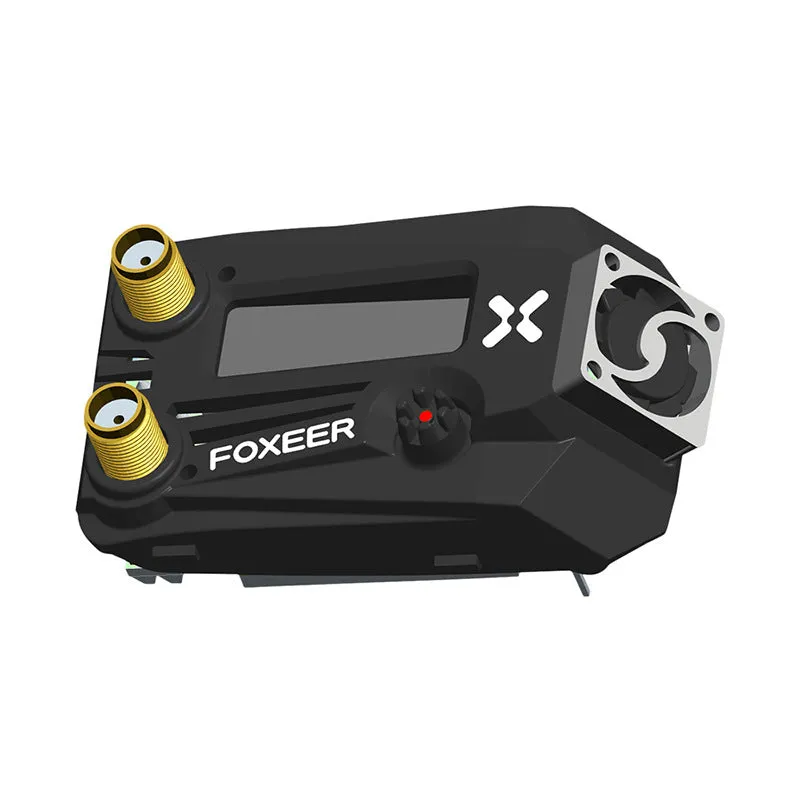
The value proposition of these FPV glasses lies in their defined compatibility and lightweight portability, offering a focused tool for a specific activity without unnecessary complexity for the user.
Reuse and Low Maintenance
The product is designed for repeated use across flying sessions. As a primarily electronic device, maintenance would involve typical care for the lenses and ensuring the battery is charged. Specific cleaning methods or durability claims for the materials are not supported by the source text.
Why Choose This Product
This product may be selected by pilots seeking glasses that work with their existing Fatshark or Flying Shark video equipment, avoiding compatibility issues. The 58-gram weight is a concrete differentiator that can contribute to wearing comfort, especially compared to potentially heavier alternatives on the market, though direct comparisons are not made in the source material.