K9 Mini 3D Printer with FDM Technology for PLA Filament Printing, Features 100x100mm Print Size and 0.4mm Layer Thickness for Model Making and Educational Projects in Multiple Plug Standards


K9 Mini 3D Printer with FDM Technology for PLA Filament Printing, Features 100x100mm Print Size and 0.4mm Layer Thickness for Model Making and Educational Projects in Multiple Plug Standards
K9 Mini FDM 3D Printer: Compact 100x100mm Build Area for PLA Model Printing
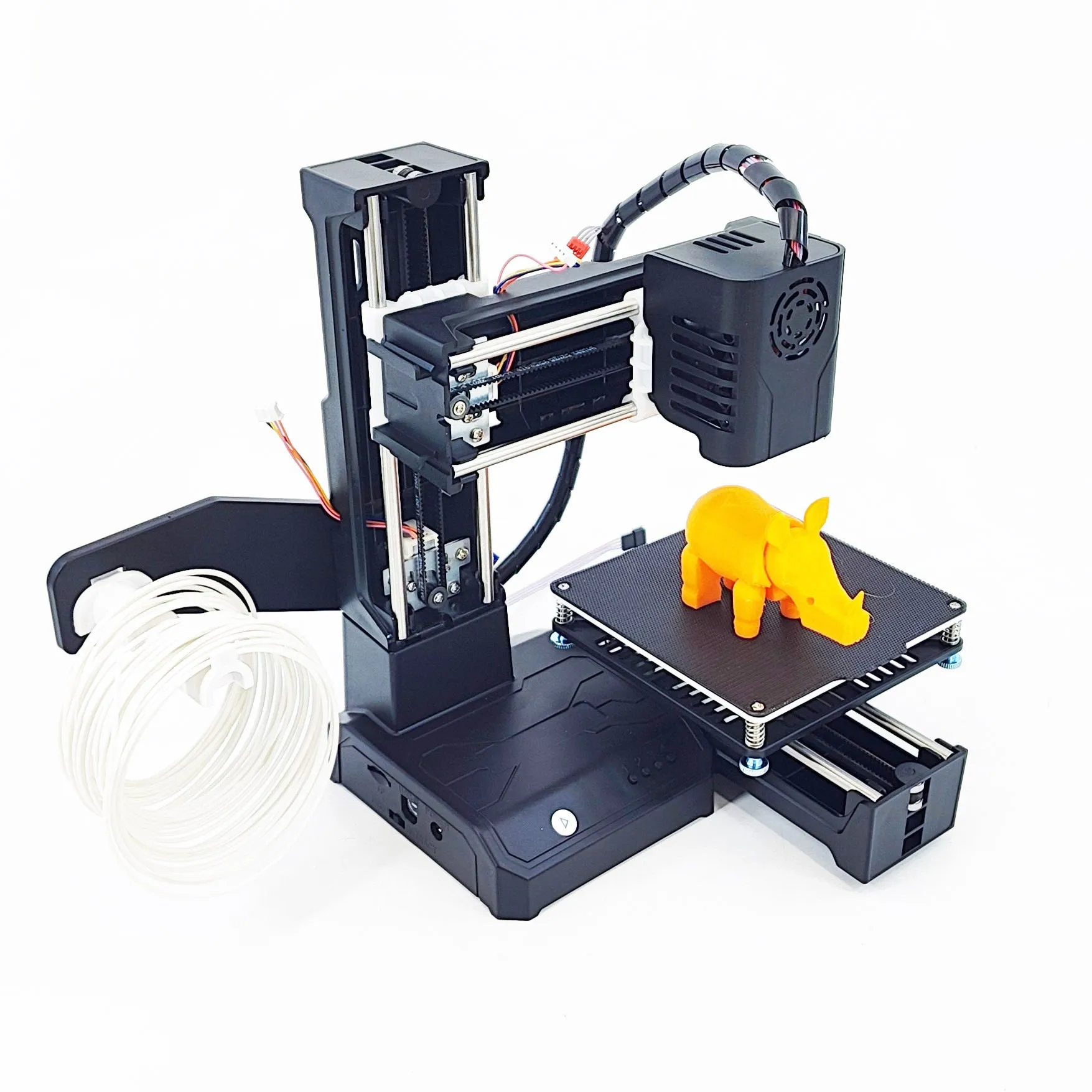
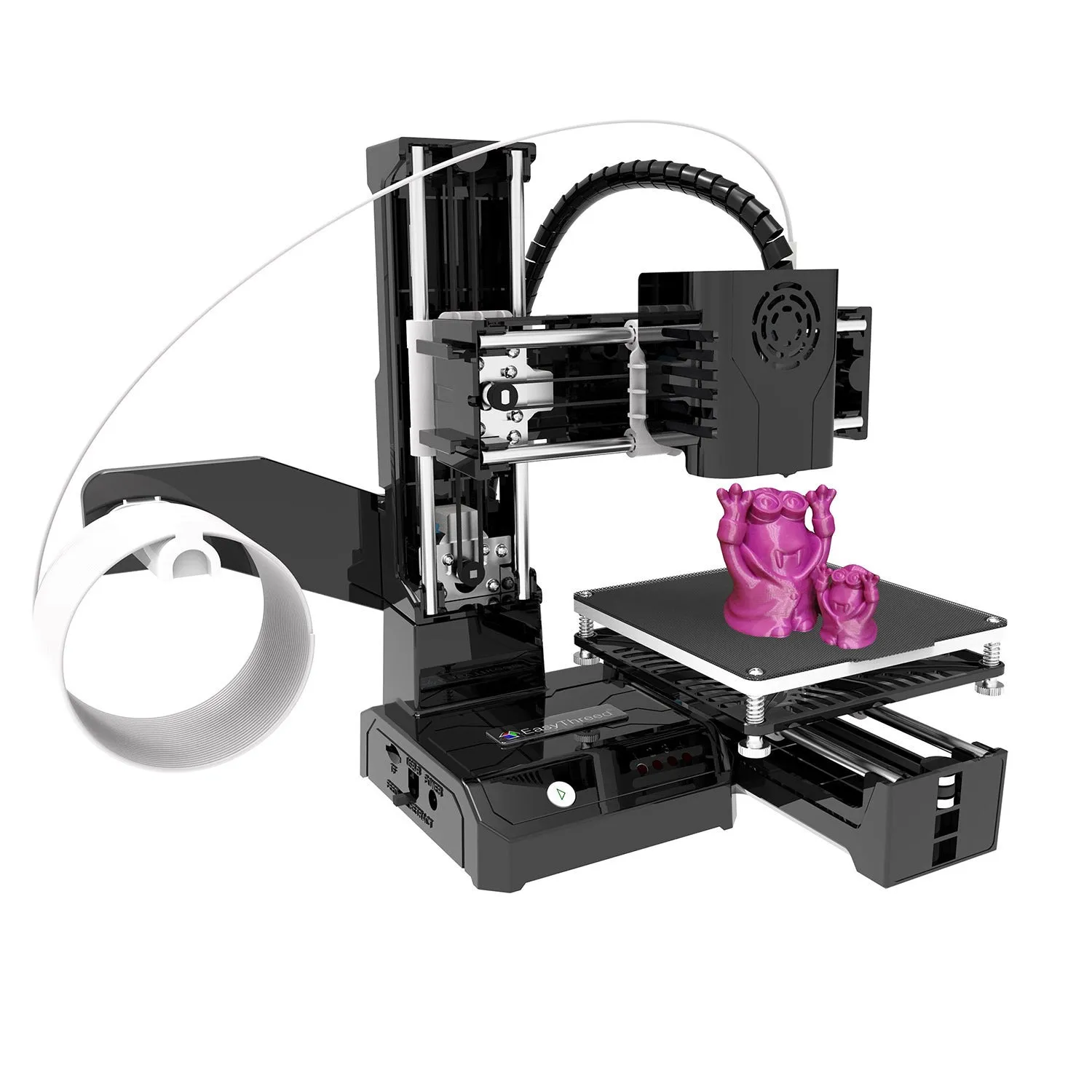
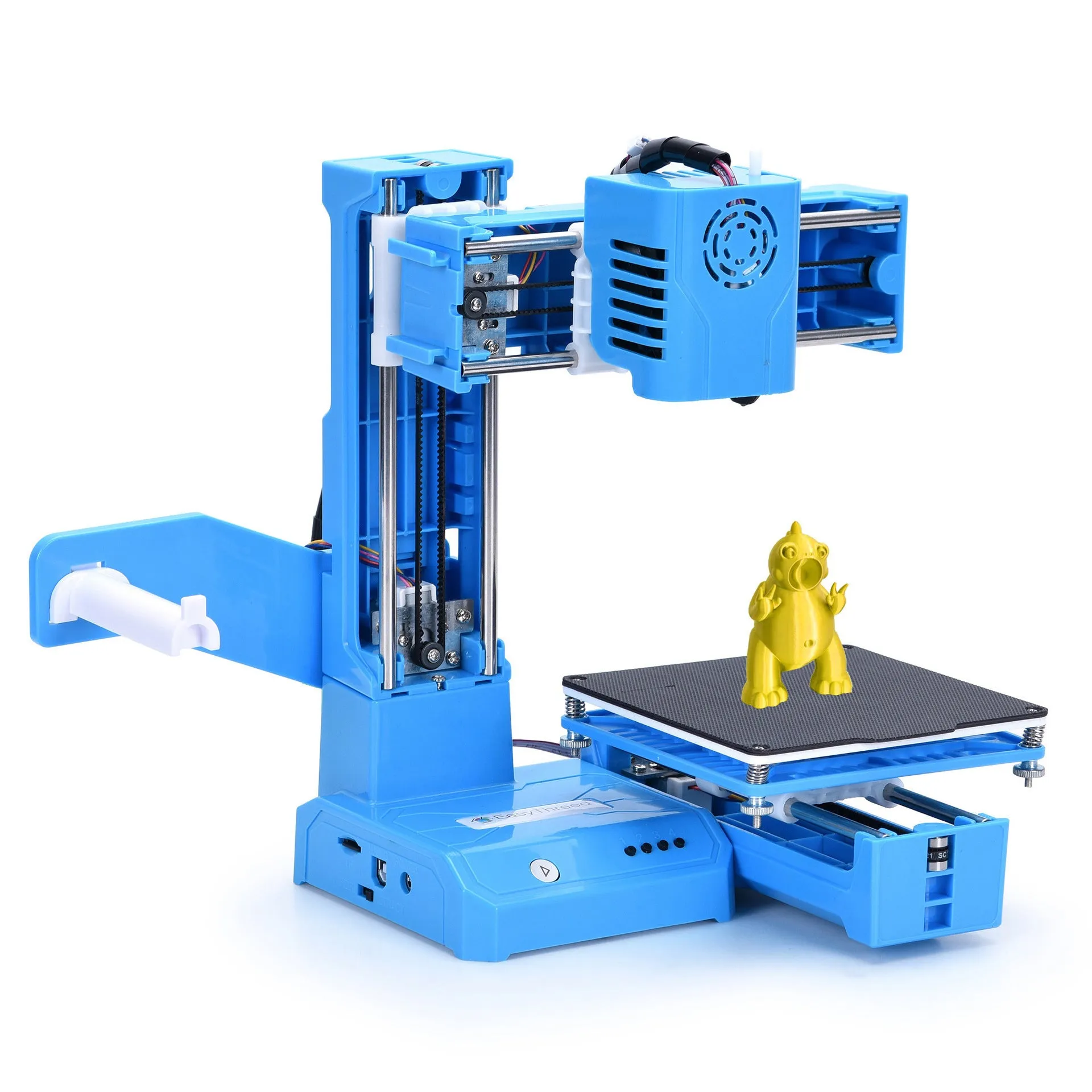
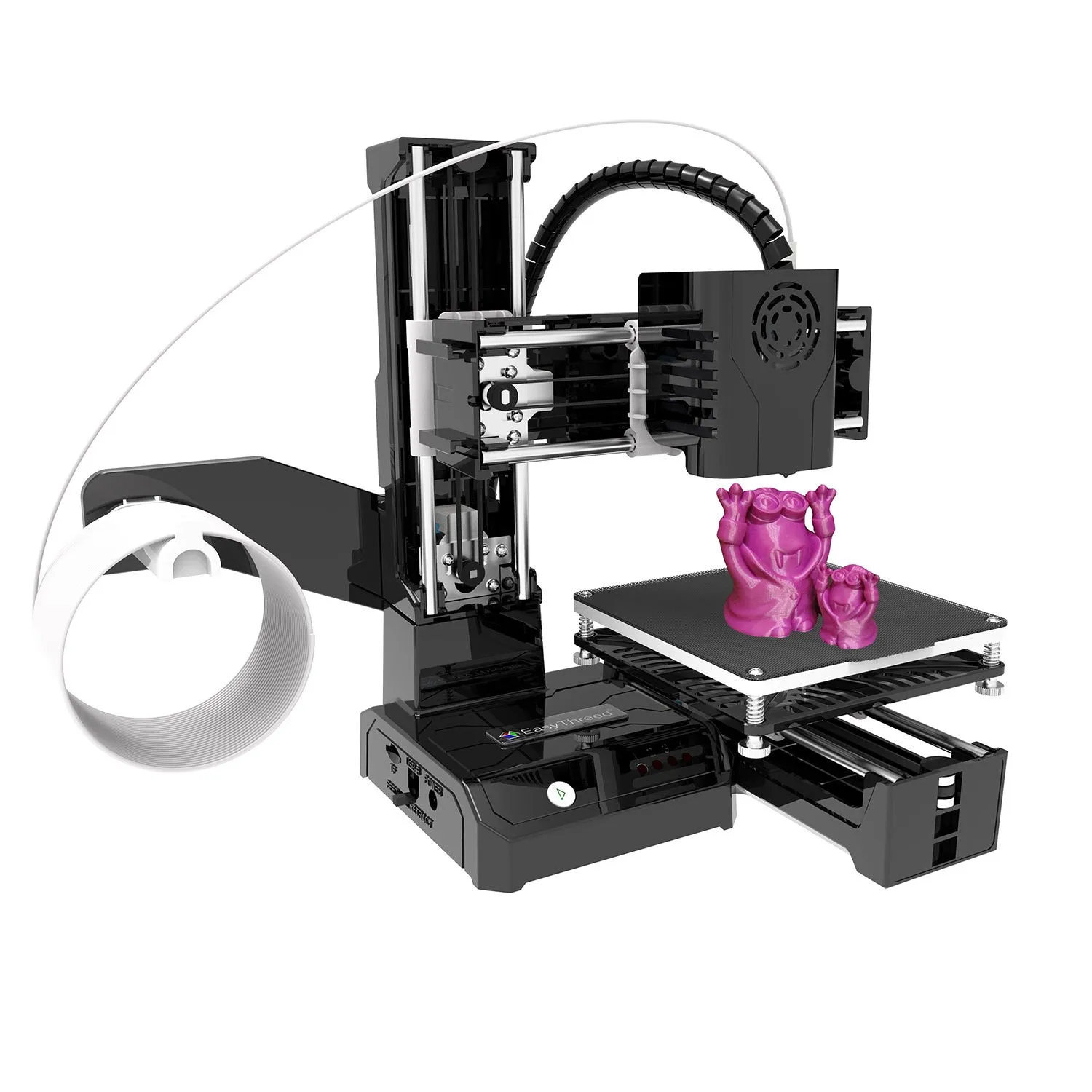
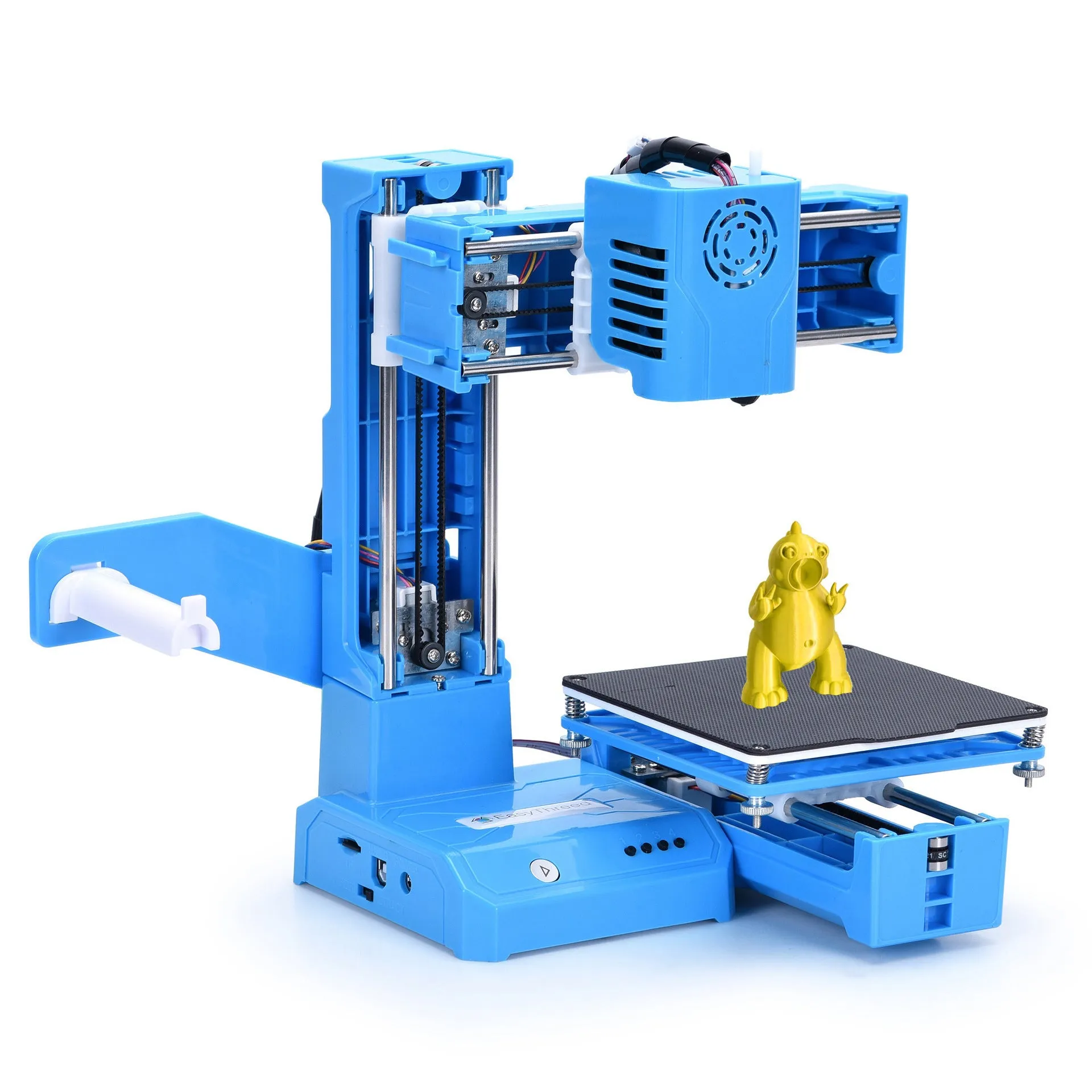
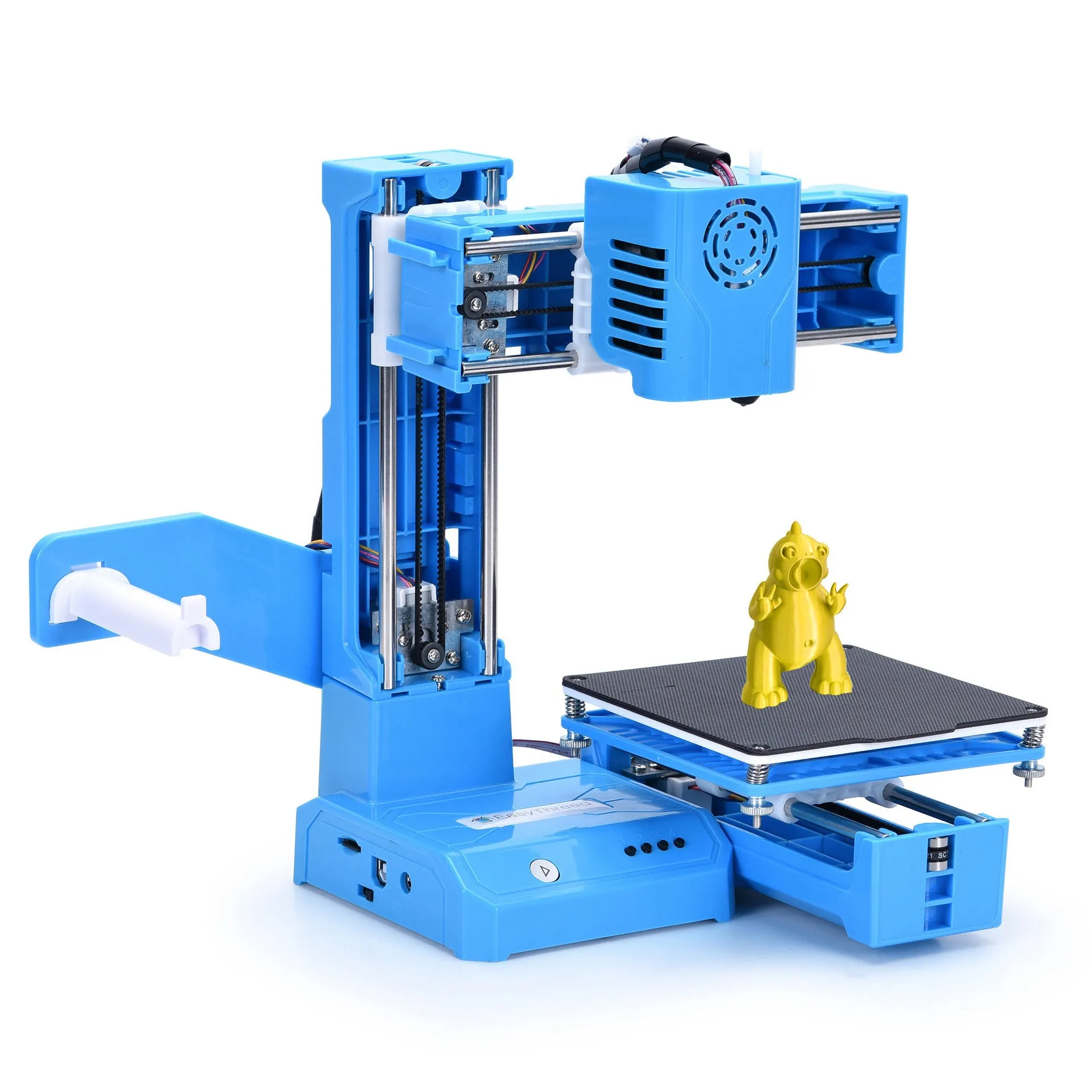
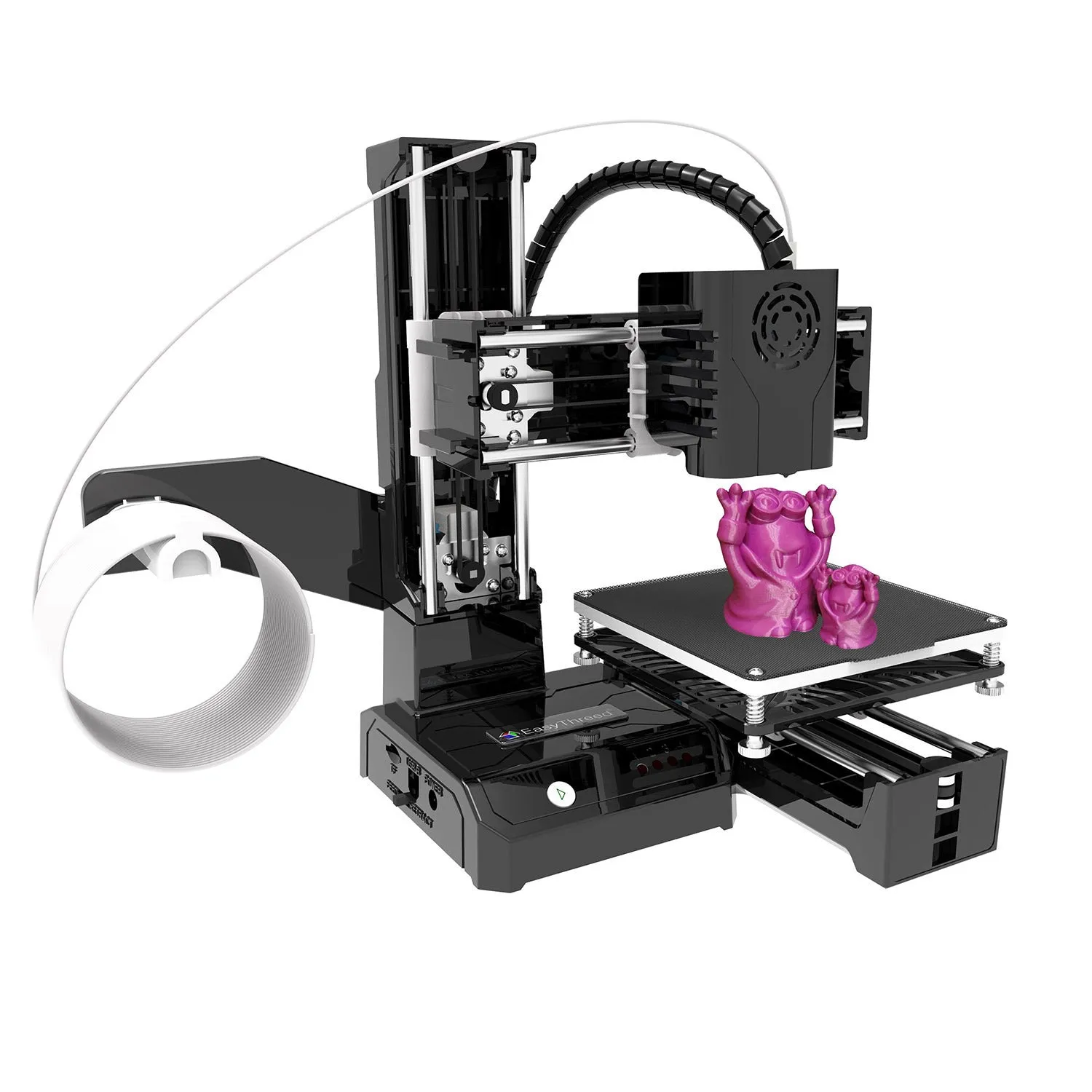
The K9 Mini 3D Printer provides an accessible entry into additive manufacturing with its focused specification for PLA filament printing. Using Fused Deposition Modeling (FDM) technology, this compact device creates three-dimensional objects layer by layer within a defined 100x100mm workspace. With a 0.4mm layer thickness and 40mm/s nozzle flow rate, it offers practical control for educational projects, prototype development, and small model creation. The printer's 12V input voltage and multiple international plug configurations - available in American, European, British, Australian, and National standards in both black and blue variants - ensure broad regional compatibility for users requiring specific electrical specifications.
Features and Construction
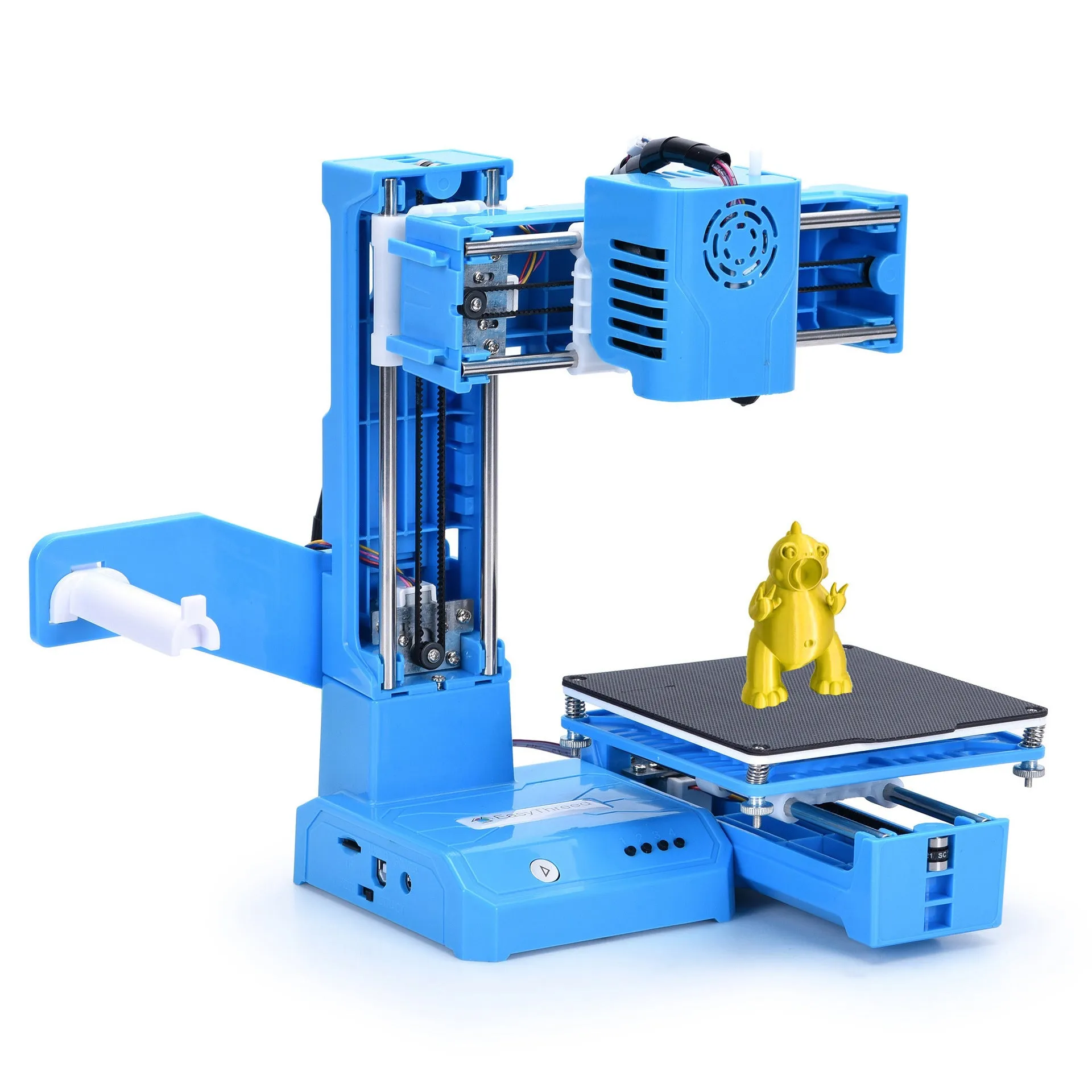
The K9 Mini 3D Printer's specifications centre on practical FDM printing capabilities within a compact form factor. Its construction focuses on core printing functions rather than extensive automation features, making it suitable for learning basic 3D printing principles or producing small-scale items. The available plug standard options address different regional electrical requirements without requiring additional adapters for safe operation.
Material and Build
This printer is designed specifically for PLA (Polylactic Acid) filament, a commonly available thermoplastic material used in FDM 3D printing. PLA typically requires lower extrusion temperatures than some other filaments, which may influence the printer's heating element design and thermal management. The FDM technology builds objects by extruding melted filament through a nozzle that moves in three dimensions, depositing material layer by layer according to digital instructions. The source text does not provide details about the printer's own construction materials or frame type.
Size and Practical Fit
With a specified print size of 100x100mm, the K9 Mini occupies a compact footprint suitable for desktop use in educational settings, home workshops, or small office environments. This build volume can accommodate various small objects such as mechanical parts, architectural models, figurines, or functional prototypes. The 0.4mm layer thickness determines the vertical resolution of printed objects, affecting surface smoothness and detail level. While overall printer dimensions and weight aren't specified, the 100x100mm build area suggests a relatively small physical footprint that fits limited spaces.
Uses and Placement
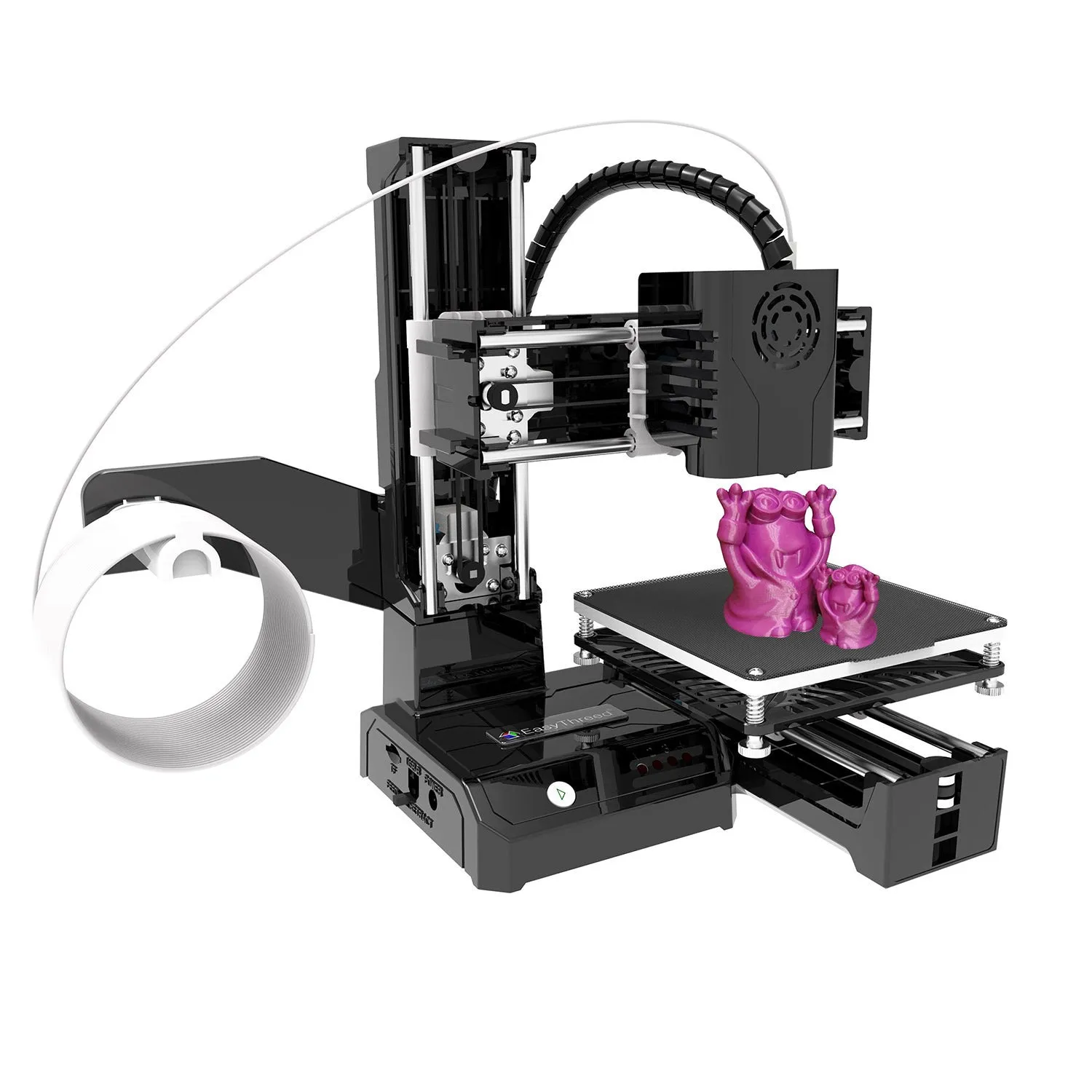
The K9 Mini 3D Printer's specifications support several practical applications within its 100x100mm build constraints. Its FDM technology and PLA compatibility make it suitable for both educational purposes and functional prototyping where material properties like biodegradability or lower printing temperatures are advantageous. The multiple plug standard options facilitate use across different geographical regions without modification.
Event or Professional Use
In educational environments, this printer can demonstrate basic 3D printing principles, allowing students to create small-scale models for engineering, design, or science projects. For professional settings, it serves as a supplementary device for producing prototype components, presentation models, or functional parts within its size limitations. The specified 40mm/s nozzle flow rate provides consistent extrusion speed for predictable print times, though actual print duration depends on model complexity and infill density. The availability of multiple plug standards - American, European, British, Australian, and National - makes deployment straightforward in different regional offices or exhibition spaces.
Everyday Home Use
For home users, the K9 Mini offers practical 3D printing capabilities for hobby projects, custom household items, or repair parts within its 100x100mm range. The PLA filament specification provides a widely available material option with relatively low printing temperatures and minimal odour during operation compared to some other filaments. The 12V input voltage aligns with common power supply standards, though users must ensure their local voltage matches the selected plug configuration. The compact build area makes it suitable for spaces with limited surface area, such as home offices or workshops.
Benefits and Buying Value

The K9 Mini 3D Printer provides focused 3D printing functionality without unnecessary complexity, particularly suited to users requiring specific regional electrical compatibility. Its defined specifications establish clear expectations for print size, material compatibility, and operational parameters, helping users assess whether it meets their project requirements before purchase. The multiple plug standard options represent a practical consideration for international users who cannot easily modify electrical equipment.
Reuse and Low Maintenance
As an FDM printer designed for PLA filament, maintenance primarily involves nozzle cleaning and occasional bed levelling, common requirements for this printing technology. The specified 0.4mm nozzle size (implied by the 0.4mm layer thickness) is a standard dimension with widely available replacement parts. The printer's focus on a single material type - PLA - simplifies material handling and storage compared to devices supporting multiple filament types with different temperature and humidity requirements. Regular maintenance typically involves ensuring the build surface is clean and properly calibrated for good first-layer adhesion.
Why Choose This Product
The K9 Mini 3D Printer distinguishes itself through its combination of compact 100x100mm build area, clear PLA material specification, and multiple international plug standards. Users requiring specific electrical compatibility for their region will appreciate the available American, European, British, Australian, and National standard options in both black and blue variants. The defined 0.4mm layer thickness and 40mm/s flow rate provide transparency about print resolution and speed expectations. This printer suits those needing straightforward PLA printing within a limited workspace, particularly in educational contexts or for small-scale prototyping where regional electrical compliance is important.